Every camera, any brand, one intelligence layer.
Across Africa, cameras already watch shops, depots, farms, factories, schools and roads, yet the footage sits in separate Hikvision, Dahua and TRASSIR systems that nobody looks at until something goes wrong. TRX connects to the cameras and recorders they already own, adds AI tuned to African roads, plates and conditions, and turns video into verified alerts, searchable evidence and operating data. Every site that joins makes the AI sharper for all the others. Priced in local currency, paid by mobile money, built for 4G and power cuts. Kenya is where we start; Africa is the market.
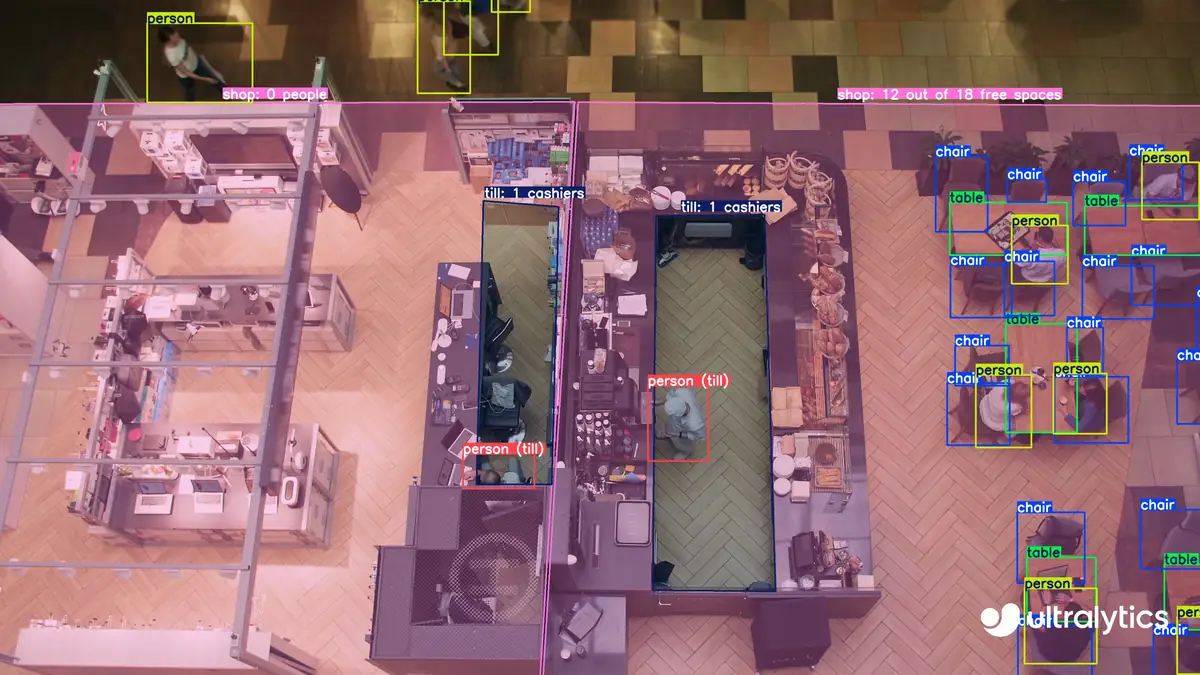
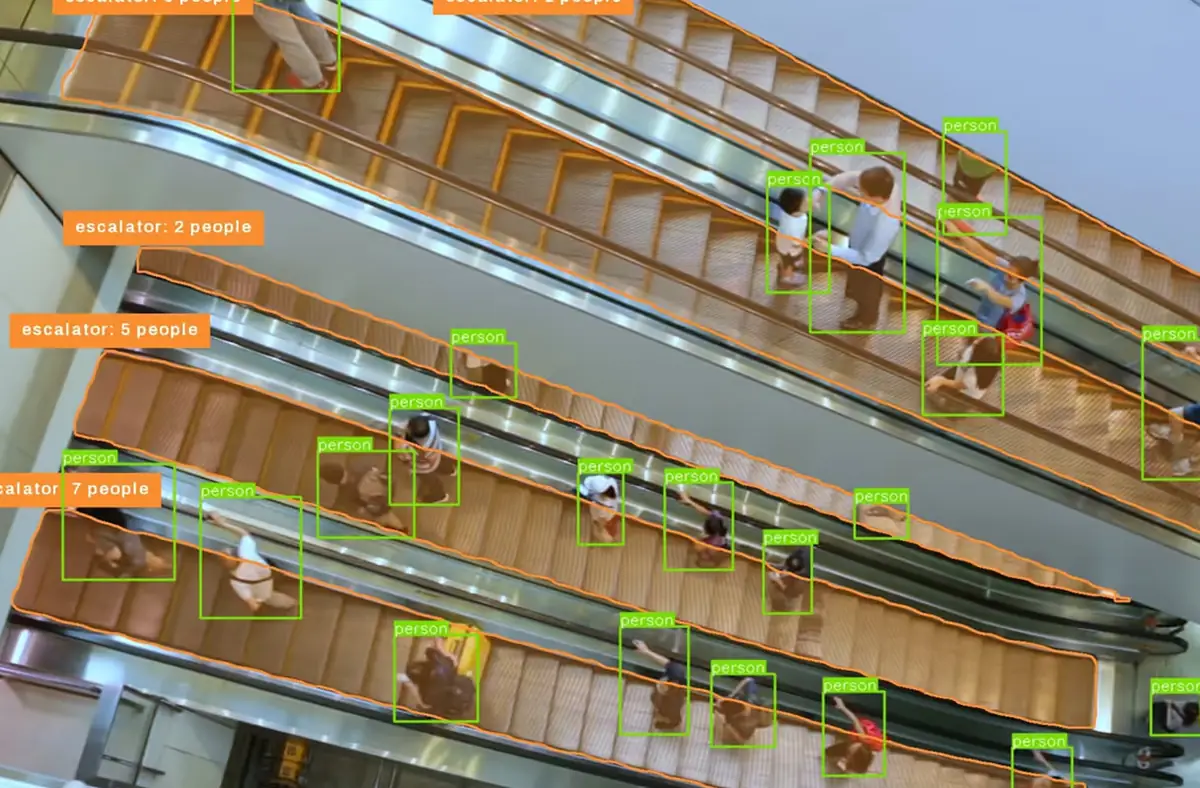
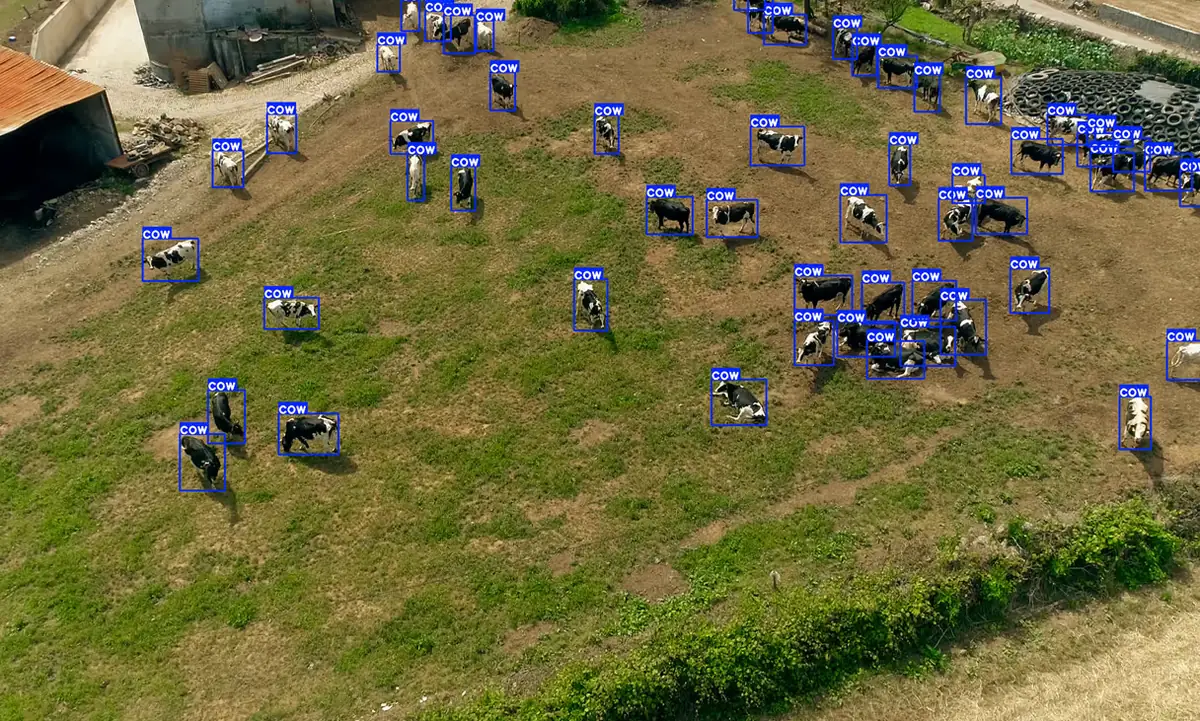
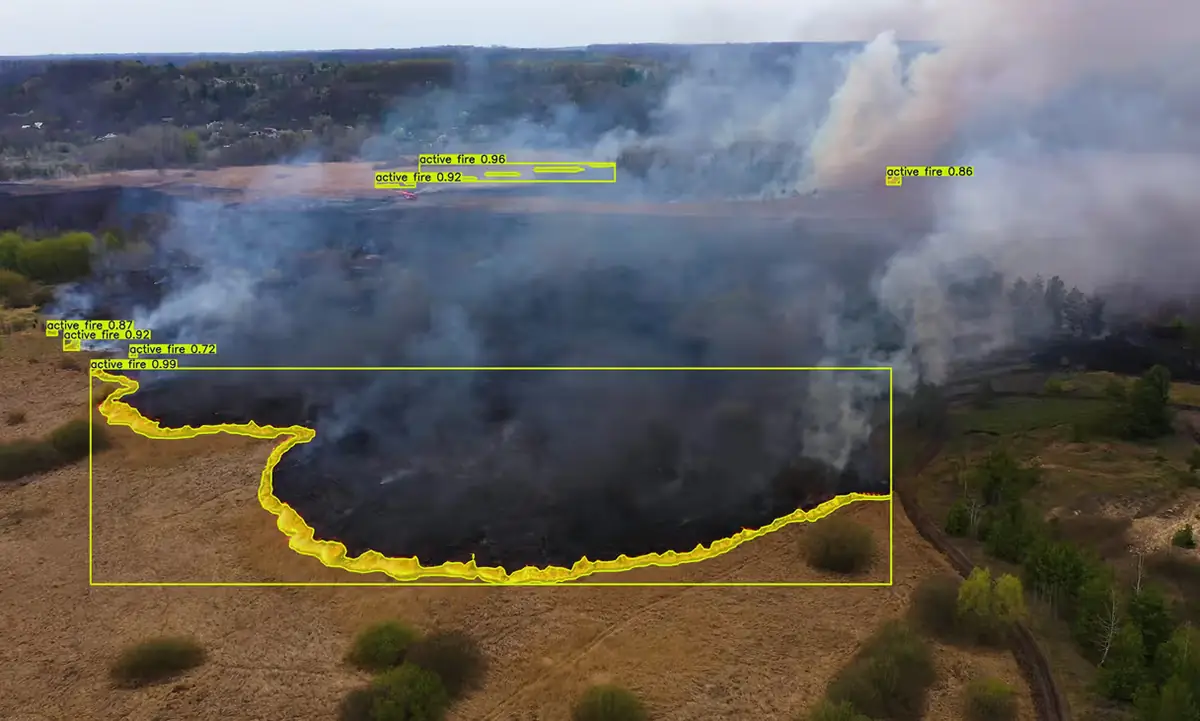
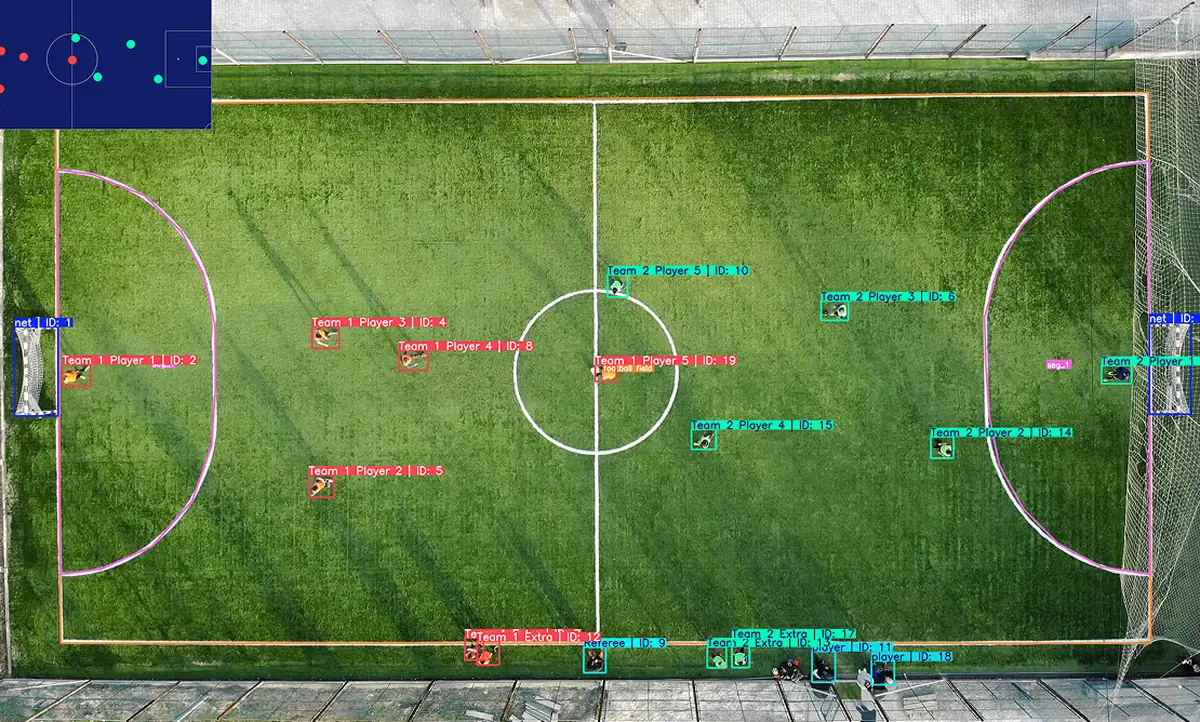
One layer over every camera. Smarter with every site, private by design.
HighlightsWho is already here, and the opening
Existing products fall into six groups. Each is strong at something, and each leaves the same opening: a vendor-neutral, edge-first layer priced for multi-site businesses in our markets.
| Segment | Examples | Strength | Opening for us |
|---|---|---|---|
| Camera-maker platforms | HikCentral, Dahua DSS | Cheap and bundled with the most common hardware | Work best only with their own brand; no cross-vendor view |
| VMS software with analytics | TRASSIR, Axxon One | Strong LPR, face and POS analytics at good prices | Software runs on one site's server; polling APIs, limited cloud. We become its multi-site cloud and AI layer |
| Enterprise on-prem VMS | Milestone, Genetec, Avigilon | Mature, huge device support | Priced for banks and government only; AI is an extra licence |
| Cloud-native VSaaS | Verkada, Rhombus, Eagle Eye | Great UX and modern APIs | Proprietary hardware, assume good bandwidth, priced in USD |
| Local integrators | CCTV installers and guard firms | Own the customer relationship | No software layer of their own. They are our channel, not our competition |
| Open source | Frigate, ZoneMinder, Shinobi | Free, strong community | Single-site and self-managed; no support or multi-tenant service |
Nine gaps, nine answers
The core job: turn every camera a customer already owns, whatever the brand, into one system that tells them what matters when it matters and lets them find anything quickly, without new cameras or a bigger internet bill.
One intelligence layer over every camera a business owns
TRX sits above the cameras and recorders a customer already has. It connects to them, runs AI on site, sends only what matters to the cloud and delivers it as alerts, search and operating data. Every site it runs on also sharpens the models every other site uses.
Any camera, any recorder
Existing equipment- TRASSIR, Hikvision, Dahua, Milestone, Frigate
- Any ONVIF or RTSP camera
- Access control, alarms, POS and ERP
AI at the edge
Gateway or TRASSIR GPU server- Detection, tracking, plates and zones
- Video stays on site
- Keeps working through outages
Multi-tenant cloud
Events, not video- Alert verification and rules
- Search across every site
- Health, billing and model updates
Outcomes people use
Apps and integrations- Mobile app, SMS and web dashboards
- Monitoring-centre console and partner portal
- Open API and webhooks
From box to first alert
Plug in
A gateway with UPS and 4G or fibre, or our software on the customer's TRASSIR server.
Scan to claim
The installer scans the gateway's QR code and the site appears in the partner portal.
Discover cameras
The gateway finds cameras and recorders and tests what each stream can do.
Choose outcomes
Pick an industry pack, draw zones and lines, and alerts start flowing to the app.
Two ways to start
Complete bundle
Hardware, installation and subscription from one supplier. Gateway, a GPU server running TRASSIR, and cameras arrive configured from our workshop, and the site appears in the cloud the moment the installer scans the gateway's QR code.
Upgrade kit
The customer keeps their cameras and recorder and adds our gateway and subscription. Both paths land on the same platform, so every hardware sale grows recurring revenue.
Sources we connect, in order
| Connector | How we integrate |
|---|---|
| TRASSIR | VMS software installed on a standard server with a GPU. We use its SDK over HTTPS: sessions, object tree, health, events, LPR, neural detector, POS, live video, playback, export, PTZ. Being verified on our own lab server. |
| Any ONVIF / RTSP camera | Discovery, streams and PTZ through ONVIF, covering the large Hikvision and Dahua base at camera level; all intelligence from our edge models |
| Frigate | MQTT push events plus HTTP API; can also run as a managed recorder inside our gateway |
| HikCentral, Dahua DSS, Milestone, Nx | Vendor OpenAPIs, MIP SDK, REST |
| Access control, alarms, POS, ERP | ZKTeco and Hikvision access, alarm panels, POS and ERP webhooks |
One GPU, two jobs. TRASSIR is software on an ordinary server with a GPU. Where that GPU has headroom, our AI models can run on the same machine as TRASSIR, so a site may need no separate gateway. We will confirm capacity in the lab.
Three tiers of intelligence that look like one
What the customer already paid for
- TRASSIR LPR, face, neural detector, POS
- Frigate detection, LPR, faces
- Cost to us: close to zero
Models on the gateway
- YOLO26 and RF-DETR on our gateway or the TRASSIR server's GPU
- Plate OCR for local formats; motorcycle taxi, minibus and tuk-tuk classes
- Cost: edge hardware, once
Heavier models on events only
- Alert verification, semantic search
- Plain-language summaries, re-identification
- Cost: per inference, sold as an add-on
The inference cascade keeps costs tied to events, not camera hours
Twelve modules, built once against one data model
Every connector maps into the same entities and events, so each feature works for every source.
One platform, packaged as outcomes for each industry
Pick an industry to see its pains, the use cases we deliver, how each works and the value it creates. Each one includes what it looks like in Kenya, our first market.
Use case coverage across industries
core value useful add-on. Columns full of dots are horizontal features we build once and sell everywhere.
Five levers of value, measured on every site
Each lever maps to a number the platform records itself, so customers see the return on their own dashboards rather than in our sales deck.
The standard we hold ourselves to
| Measure | Target |
|---|---|
| Alerts confirmed true by operators | > 80% |
| Median time to find a clip | < 1 minute |
| Events delivered from site to cloud | > 99.9% |
| Live view start time on 4G | < 3 s |
| Average upstream data per camera when not live | < 50 kbps |
Every new camera makes the platform better for everyone
A single recorder gets no smarter over time. A shared platform does. Each site, customer, partner and country we add raises the value for all the others, and that compounding is hard for a single-site product or an imported competitor to match. Because the AI runs at the edge and updates over the air, what the network learns reaches every camera already installed, so customers get more from the same hardware every month. None of this requires a customer to give up control of their video.
Data that trains better models
Every alert an operator confirms, dismisses or relabels becomes training data, with consent and retention rules. Plates, vehicle types and conditions learned in one site improve accuracy at every other site and in every new country.
Benchmarks only a network can give
With hundreds of sites on one data model, a supermarket can compare queue times with similar stores, and a yard can compare its truck turnaround with the market. No single customer can produce that alone.
Shared signals between customers
Opt-in, lawful sharing of plate-level alerts lets an estate, a fuel network and a guard company warn each other about the same vehicle. Faces are never shared, and every share is logged.
Many parties on one platform
Estates, guard firms, insurers and police share evidence in one place; shippers, transporters and yards share gate and turnaround data. Each party that joins makes the platform more useful for the rest.
A growing partner and connector ecosystem
More installers and guard companies mean faster installs and wider response coverage. Every new camera brand, VMS or business system we connect makes the platform fit more existing estates, and developers build on the open API.
Customers carry us across borders
Retailers, banks, transporters and guard groups operate in several African countries. Each one opens a new market, and each new market adds plate formats and data that strengthen the whole network.
Edge models that keep improving on the cameras customers already have
Most camera AI is frozen the day it is installed. Ours runs on the site gateway, or on the GPU in the customer's TRASSIR server, and receives regular model updates trained on what the whole network sees. Every site feeds the loop, and every site gets the result.
Detect at the edge
Models on the gateway or TRASSIR server spot people, vehicles, plates, animals and hazards locally. Video stays on site.
Confirm in the console
Operators confirm, dismiss or relabel each alert with one tap. Every tap becomes a labelled example from real African conditions.
Learn across the network
Masked clips and hard cases from sites that opt in retrain shared models. Sites that cannot share video contribute model updates only (federated learning).
Prove it before it ships
Each new model is tested on held-out footage from other sites, cameras and lighting. It ships only if it beats the model already running.
Roll out over the air
Signed, compressed updates download off-peak on 4G, reach a few sites first, then the fleet. Any site can roll back in one click.
Tune to each camera
Thresholds, zones and schedules adjust per camera, so a dusty depot yard and a bright mall atrium each get settings that suit them.
↻ The loop repeats with every update, and each pass starts from a larger network.
The network learns without seeing what it should not
Network effects only work if customers trust them. Every part of the learning loop is built so that a site can contribute and benefit without exposing its people, its footage or its business.
- Masked clips of hard cases, with faces and bystanders blurred on the device
- Operator labels: confirmed, dismissed or corrected alerts
- Model updates only, for sites using federated learning
- Aggregated, anonymous benchmarks, never single-site figures
- Raw video and recordings
- Face images and biometric templates
- Names, staff records and visitor identities
- POS, ERP and other business data
Opt-in, and reversible
No site contributes to shared models without a signed opt-in. A customer can opt out at any time and still receive every model update.
Masked before anything moves
Faces and bystanders are blurred on the gateway before a training clip leaves. Sites under strict rules use federated learning and send model updates, never footage.
Off by default, never pooled
Face recognition is off unless a customer enables it with consent. Biometric data is never shared between customers or used to train shared models.
Each customer walled off
Tenants are isolated, partners see only the sites they are granted, and roles, MFA and a full audit log cover every view, export and share.
Signed, tested, reversible
Every model and gateway update is signed and verified on the device before install, rolled out in stages, and can be rolled back in one click.
Encrypted and closed by default
Gateways open no inbound ports and connect outbound only. Data is encrypted in transit and at rest, hosted in-country where the law asks for it.
Controls are set per country, from Kenya's Data Protection Act and ODPC guidance to Nigeria's NDPA and South Africa's POPIA, and every model version a site has run is logged.
Value that grows without new hardware
Fewer false alarms over time
Shadows, rain, stray dogs and headlight glare stop triggering alerts, so operators and guards respond to real events instead of noise.
New detections on the same cameras
Queue analytics, PPE checks, livestock counts or fire and smoke detection arrive as software and switch on from the console. No site visit, no new camera.
Trained on African streets
Matatus, boda bodas, tuk-tuks, handcarts, local plate formats, dust, glare and night IR are learned from African footage, not imported datasets.
Updates when data is cheap
Updates are small and download off-peak. Detection keeps running on site through power cuts and 4G drops, and the next update waits for the link.
Cheaper to run each year
Better filtering on the device means less video uploaded and fewer cloud calls, which lowers data bills for customers and serving costs for us.
Improvement customers can see
Each site's dashboard shows accuracy and false-alarm trends after every update, so the value is in front of the customer at renewal.
The same cameras, worth more every quarter
Network models from the start
A new site starts with models already trained on footage from every site before it, so accuracy is strong before any local tuning.
Tuned to the site
Operator feedback sets thresholds, zones and schedules for each camera. False alarms fall as the system learns what normal looks like.
New modules switched on
Model updates arrive, and the customer can add new detections such as queues, PPE or loitering without changing hardware.
Benchmarked against peers
The site compares its queue times, turnaround or incident rates with similar sites across the network, insight no single customer could build alone.
Illustrative path for a typical subscribed site. Timing depends on site size, camera quality and how actively operators review alerts.
Everyone on the network benefits from each update
Advantages that are hard to copy
Vendor-neutral
We sit above TRASSIR, Frigate and any ONVIF camera at once. Customers keep what they own, and buying our hardware never traps them.
Trained on African streets
Plates, motorcycle taxis, minibuses, tuk-tuks, dust, glare and night IR, starting with Kenya. Every operator correction makes the local models better.
Built for 4G and outages
Days of store-and-forward, local rules and sirens that keep working offline, live view only when someone is watching.
One accountable supplier
Factory-provisioned bundles, local installers and remote diagnostics. Health data turns support calls into upgrade sales.
Compliance built in
Biometrics off by default, purpose tags, retention presets, DPIA templates and audit trails, set per country from Kenya's ODPC to Nigeria's NDPA and South Africa's POPIA.
Priced and paid like Africa
Local currency, mobile money, monthly terms and a channel of guard companies and integrators who already own the relationships.
Recurring software revenue, carried by hardware
Hardware margin funds customer acquisition; software margin builds company value. We track the two separately and never sell a gateway without a subscription.
| Revenue stream | What it is | Character |
|---|---|---|
| Platform subscription | Per camera per month in local currency, tiered by plan | Recurring |
| AI add-ons | Industry packs (Retail, Fuel, Estates, Logistics, Safety) and metered cloud AI | Recurring |
| Hardware bundles | Gateways, GPU servers with TRASSIR software and licences, cameras, networking, UPS; sold outright or on monthly instalments | One-time or financed |
| Installation and services | Site surveys, installation, commissioning, custom models and integrations | One-time |
| Support contracts | Extended warranty, advance replacement, preventive maintenance visits | Recurring |
| Partner wholesale | White-labelled pricing for guard companies, integrators and monitoring centres | Recurring |
| Developer tier | API access for African software companies building on video events | Recurring |
Plans
One view
For existing systems- Unified inventory, live and playback
- Health monitoring
- Native TRASSIR and Frigate events
- Mobile app, basic alerts
Verified alerts
Connect, plus:- Our edge AI, zones and lines
- AI-verified alerts to app, SMS and WhatsApp
- Local plate LPR and search
- Event history and webhooks
Operations data
Intelligence, plus:- Industry analytics packs
- Dashboards and scheduled reports
- POS-video correlation
Banks and groups
Insights, plus:- SSO, in-country hosting, advanced audit
- Custom models
- SLA and dedicated support
Hardware bundles
Starter Site
Small gateway, 4–8 cameras, PoE switch, UPS. Shops, fuel stations, SACCO branches.
TRASSIR Pro Site
GPU server running TRASSIR and our AI, 8–32 cameras, networking. Supermarkets, warehouses, estates.
Gate & LPR Kit
LPR-grade cameras, gateway or AutoTRASSIR, boom barrier controller. Estates, yards, car parks.
Upgrade Kit
Gateway with 4G failover only, connecting to the customer's existing cameras and recorder.
Illustrative revenue model, using Kenyan shillings
The default numbers are placeholders to show the mechanics, not researched prices. Change them to test scenarios; prices will be set after 15–20 customer interviews.
Kenya first, then across Africa
We launch in Kenya and expand country by country on the same product, following regional customers and partner installers.
Kenya
Nairobi and Mombasa first, with our first reference customers and partner installers.
Uganda, Tanzania, Rwanda, Ethiopia
Expansion along shared trade corridors with regional customers and integrators.
Nigeria, Ghana, Côte d'Ivoire
Retail, banking and fuel networks.
South Africa, Zambia, Botswana
Monitoring centres and multi-site businesses.
Egypt, Morocco
Industrial zones, logistics hubs and retail chains.
Each new country reuses the same product. What changes is the plate model, the currency and payment rails, the data protection settings and the local installer network.
Lead with a sharp wedge, scale through African partners
"Verified after-hours alerts on your phone and one view of all your cameras. No new cameras, paid monthly by mobile money."
Guard companies first
With more than 2,000 registered firms, guard companies already own the sites. We give them verified alarms, a monitoring console, white-labelling and margin.
Integrators as installers
Certify CCTV installers in each country to survey, install and support bundles, starting in Nairobi and Mombasa.
Kenyan reference customers
A supermarket chain, a fuel network, an estate and a guard company in Kenya become the case studies we take to every new country.
Proof in 14 days
A pilot kit (gateway with 4G and UPS, plus onboarding) that shows value on existing cameras within two weeks.
Follow our customers
Regional retailers, banks, transporters and guard groups operate in several African countries. Each one opens the next market.
Instalments
Spread hardware over 12–36 months through asset-finance partners, so a small shop and a supermarket chain can both say yes.
What could go wrong, and what we do about it
| Risk | Likelihood / impact | Mitigation |
|---|---|---|
| Hardware ties up cash (imports, duty, currency swings, lead times) | High / High | Short certified catalogue, order against confirmed deals, asset-finance partner, FX buffers in bundle prices |
| Dependence on TRASSIR | Medium / High | Formal partnership; ONVIF and Frigate connectors so we never depend on one VMS |
| False alarms damage trust | Medium / High | Verification cascade, per-site tuning, conservative defaults, operator feedback |
| Regulator action on biometrics or CCTV misuse | Medium / High | Biometrics off by default, DPIA templates, human confirmation, local counsel in each country |
| Country-by-country differences (rules, currency, payments, plates) | High / Medium | Per-country settings on one product; enter through partners who already operate there |
| Security breach (video is highly sensitive) | Low–Med / Very high | No inbound ports on site, mutual TLS, tenant isolation, pen-tests |
| Power and 4G instability | High / Medium | UPS in every bundle, store-and-forward, dual-SIM failover, snapshot mode for live view |
| Model licensing (Ultralytics AGPL or Enterprise) | Certain / Medium | Budget the Enterprise License; keep Apache-licensed RF-DETR as an alternative |
| Low-price competition from bundled vendor apps | Medium / Medium | Sell outcomes and cross-vendor value, not viewing; local accuracy; partner margins |
| Cloud GPU cost outgrows revenue | Medium / Medium | Cascade inference, edge-first, meter cloud AI as an add-on |
Sources
- Africa Uncensored, private security in Kenya (Dec 2025)
- Kenyans.co.ke, petrol stations by county (Ministry of Energy, 2022)
- The Kenya Times, SACCO lending nears KES 1 trillion
- ODPC, Guidance Note on Biometric Data
- ODPC, Draft Guidance Note for Private Security
- DLA Piper, Data Protection in Kenya
- Ultralytics YOLO26 announcement
- TRASSIR SDK documentation